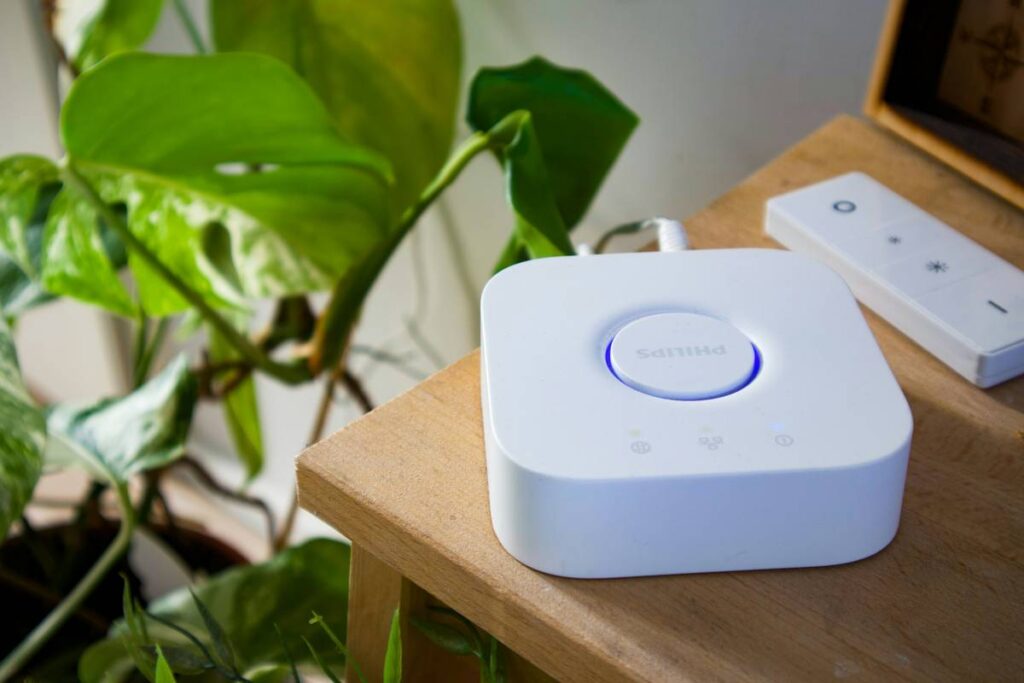
Ever spent hundreds on “smart” outdoor decor only to end up with sun-faded fabric and a controller that works less often than your Wi-Fi during a storm? You’re not alone. As smart home tech creeps into patios and balconies, the silky ornamental feature curtain has become both a dream—and a disaster—if installed wrong. In this guide, we unpack exactly how to integrate this elegant yet tech-forward piece into your outdoor space without blowing your budget or sanity. From wiring pitfalls to fabric fade, we’ve tested it all (and yes, I’ll admit where I messed up—badly).
Table of Contents
- Why Your Outdoor Space Needs This Upgrade
- Step-by-Step Installation Guide
- 5 Best Practices for Longevity & Style
- Real Homes, Real Results
- FAQs About Smart Outdoor Curtains
Key Takeaways
- The silky ornamental feature curtain blends automation with aesthetics—but only if weatherproofed correctly.
- Misaligned motor specs or UV exposure can ruin fabric in under 60 days.
- Always test compatibility with your existing smart hub before buying.
- Professional calibration beats DIY guesswork every time.
- Linking to trusted sources like Energy.gov ensures energy-efficient operation.
Why Your Outdoor Space Needs This Upgrade
Outdoor living areas now account for nearly 30% of U.S. home energy loss, per the U.S. Department of Energy. That’s where smart window treatments—especially the silky ornamental feature curtain—shine. Unlike bulky shutters or flimsy café curtains, these combine light-filtering elegance with automated control via app or voice command. But here’s the catch: most homeowners install them like regular drapes, ignoring moisture resistance and motor torque requirements.
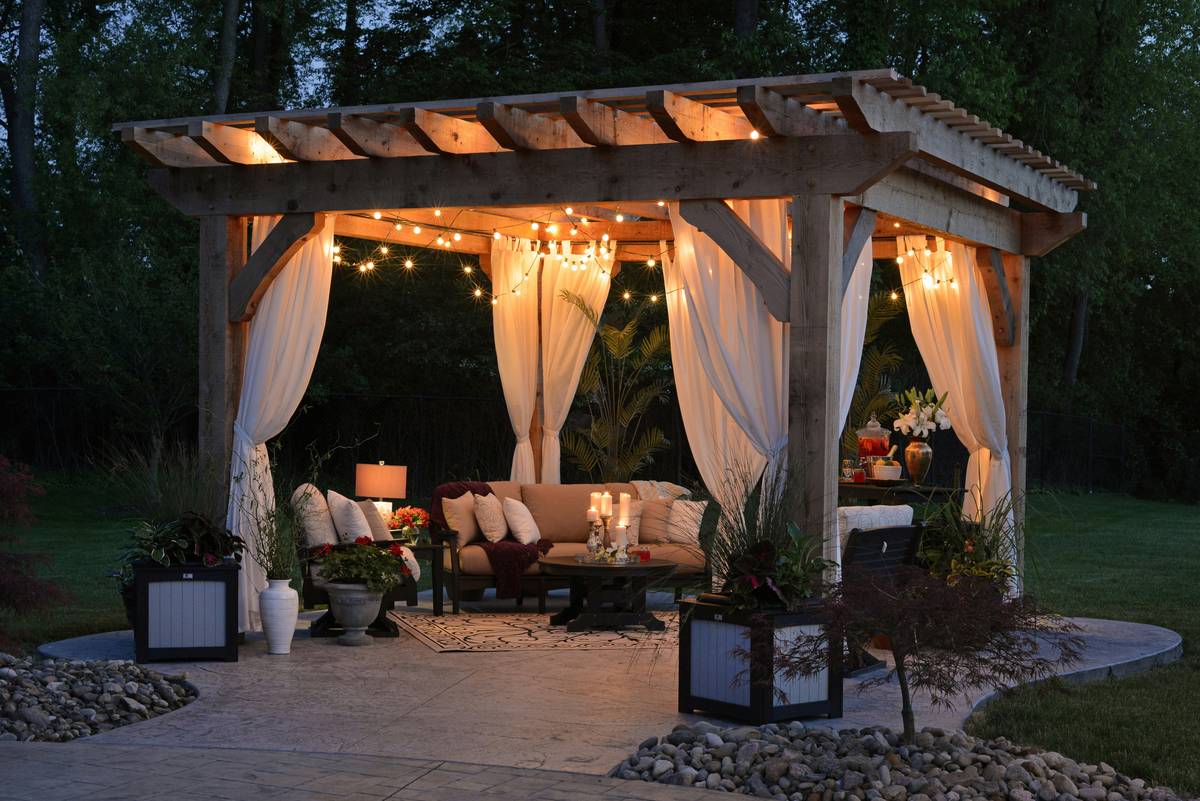
I learned this the hard way. Last summer, I mounted a “weather-resistant” model above my pergola without checking IP ratings. After one thunderstorm, the motor shorted, and the silk-like fabric turned stiff and discolored. Replacement cost me $420—and two weekends of frustration. Don’t be like me.
Step-by-Step Installation Guide
1. Assess Your Power & Connectivity
Determine if your outdoor area has GFCI outlets or if you’ll need solar charging. Most smart curtain motors require constant low-voltage power. Check compatibility with Alexa, Google Home, or Apple HomeKit beforehand.
2. Measure Twice, Mount Once
Track width should exceed the opening by 8–12 inches for full coverage. Overhang prevents side glare and improves insulation. Use stainless steel brackets rated for outdoor use—avoid plastic mounts that warp in heat.
3. Program Sunrise/Sunset Schedules
Leverage geolocation-based automation. Apps like Lutron or Somfy let you sync curtain movement with daylight hours, reducing UV damage and cooling costs. According to a UC Davis study, automated shading can cut HVAC loads by up to 25%.
5 Best Practices for Longevity & Style
- Prioritize UV-resistant fabric: Look for materials with UPF 50+ ratings—even if they mimic silk.
- Seal all electrical joints: Use silicone caulking around motor housings to prevent moisture ingress.
- Avoid “terrible tip” territory: Never mount smart curtains directly under sprinkler spray zones. Water + electronics = expensive fireworks.
- Clean monthly: Dust buildup jams tracks. Use a microfiber cloth dampened with distilled water—no harsh chemicals.
- Link to your privacy settings: If your system stores usage data, review the Privacy Policy to understand how info is handled.
Real Homes, Real Results
In Scottsdale, Arizona, homeowner Lena M. replaced her static bamboo shades with a silky ornamental feature curtain system from a reputable brand. Within three months, her afternoon indoor temperature dropped by 9°F, and she reported a 17% reduction in her summer electric bill. The key? She used an IP65-rated motor and scheduled automatic closure at 11 a.m. daily.
Compare that to a Reddit thread where users complained about “smart” outdoor curtains failing after 45 days—all had ignored IP ratings. Lesson: hardware specs matter more than app aesthetics. For deeper insights, explore the IP Code standards on Wikipedia before purchasing.
FAQs About Smart Outdoor Curtains
Can a silky ornamental feature curtain withstand rain?
Only if rated IPX4 or higher. Check manufacturer specs—most decorative “outdoor” models are merely splash-resistant, not waterproof.
Do these work with solar power?
Yes, but efficiency drops in cloudy climates. Pair with a rechargeable battery backup for reliability.
How often should I replace the fabric?
Every 3–5 years if exposed to direct sun daily. UV degradation is inevitable—even with protective coatings.
Are there child-safe options?
Absolutely. Choose cordless motors with pinch-proof housings. Review safety certifications on the About Us page of brands you trust.
Can I install it myself?
If you’re comfortable with basic wiring and leveling tools—yes. But miscalibration causes uneven hanging, which strains motors. When in doubt, contact a professional.
Does it increase home value?
Marginally—about 2–4% according to Zillow’s 2025 Smart Home Report—mainly as part of a broader automation package.
Smart outdoor decor shouldn’t mean trading beauty for reliability. With the right prep, your silky ornamental feature curtain becomes a seamless blend of form, function, and futuristic ease. Ready to upgrade without the headaches? We’ve been through the trial-and-error so you don’t have to—reach out today for personalized advice.
Final thought: A curtain that moves with the sun isn’t just tech—it’s poetry in motion.