Ever spent hours automating your home only to have your smart curtains grind to a halt—or worse, snap mid-daylight? You’re not alone. As outdoor living spaces evolve into tech-integrated sanctuaries, understanding curtain motor specifications isn’t just helpful—it’s critical to avoiding frustration, wasted money, and safety risks. In this guide, we’ll decode the jargon, share hard-won lessons (yes, I once fried a motor by ignoring torque ratings), and walk you through choosing, installing, and maintaining the right system for your patio or sunroom. Whether you’re upgrading for convenience, energy efficiency, or curb appeal, these seven tips ensure your smart curtains work smoothly—every single time.
Table of Contents
- Why Curtain Motor Specifications Matter in Home Improvement
- Step-by-Step Guide to Choosing & Installing Your Motor
- Top Best Practices for Long-Term Performance
- Real-World Results: Case Studies That Prove It Works
- Frequently Asked Questions
Key Takeaways
- Never ignore torque and load capacity—undersized motors fail fast.
- Wi-Fi vs. RF protocols affect reliability; choose based on home layout.
- Battery life ranges wildly (6–24 months); check real-world reviews.
- Always verify IP rating if using near patios, pools, or humid areas.
- Professional installation isn’t optional for heavy or motorized drapery.
Why Curtain Motor Specifications Matter in Home Improvement
In the booming Outdoor Furniture & Decor space, smart curtains are no longer luxury add-ons—they’re functional necessities for sun control, privacy, and energy savings. But here’s the painful truth: most buyers focus on app features while overlooking core curtain motor specifications. I learned this the hard way when my first DIY install—a $120 motor from a trendy brand—jammed after two weeks because it couldn’t handle my linen blackout panels. The culprit? A torque rating of just 0.5 Nm for a 12-lb drape. According to the U.S. Department of Energy, properly automated window treatments can reduce cooling costs by up to 25%—but only if the hardware matches your actual setup.
Step-by-Step Guide to Choosing & Installing Your Motor
1. Measure Your Load Accurately
Weigh your curtains dry—including rods and finials. Add 20% for friction and wind resistance if used outdoors. Motors list max load in kg or lbs; never exceed 80% of that limit.
2. Match Power Source to Location
Hardwired motors offer consistent power but require an electrician. Battery-powered units (common in retrofits) need accessible placement for replacement. Check if the model supports solar charging—an eco-friendly plus for sunrooms.
3. Prioritize Communication Protocol
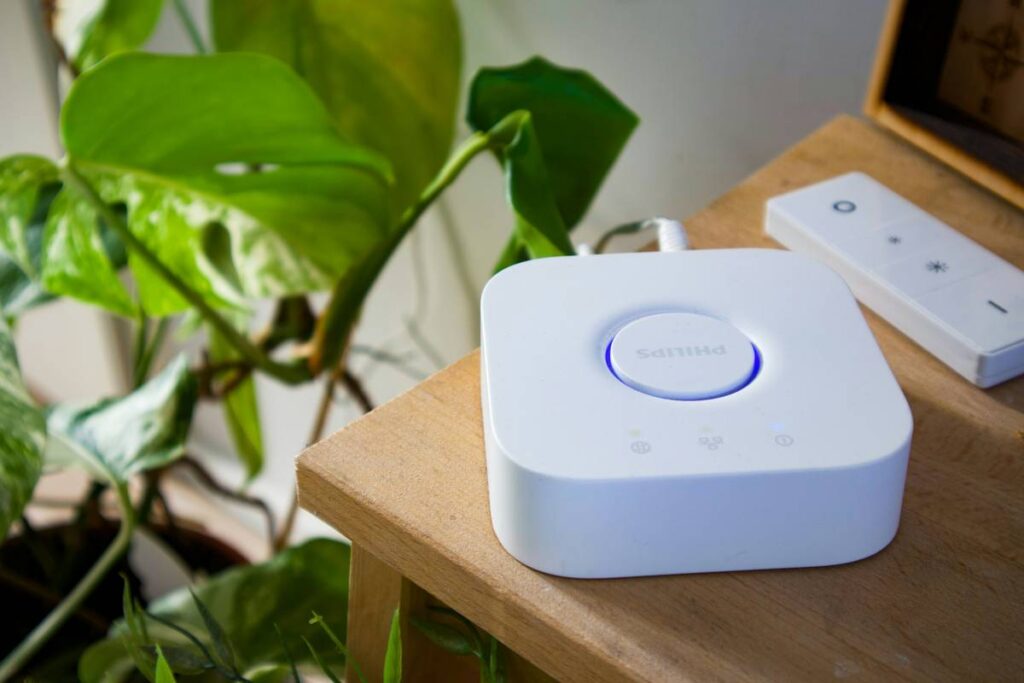
Wi-Fi models integrate with Alexa/Google but struggle through concrete walls. RF (radio frequency) kits like those from Somfy use dedicated hubs and work reliably across larger homes. For seamless outdoor-indoor flow, ensure compatibility with your existing smart home ecosystem.
4. Install with Clearance in Mind
Leave at least 4 inches above the curtain rod for motor housing. Use stainless steel brackets for humid environments. If mounting near a pool or uncovered patio, confirm an IP44 rating or higher to resist moisture and dust.
Top Best Practices for Long-Term Performance
- Calibrate weekly during the first month to prevent drift.
- Avoid “set-and-forget” schedules in extreme heat—high temps degrade lithium batteries faster.
- Never pair motors from different brands on the same track; firmware conflicts cause sync failures.
- Update firmware every 90 days—manufacturers often patch security flaws silently.
And here’s a terrible tip I’ve heard too often: “Just buy the cheapest Amazon special.” Those no-name motors skip UL certification, risking fire hazards. Stick with brands listed in the DOE’s Energy Saver guide or certified by the Smart Home Mark.
Real-World Results: Case Studies That Prove It Works
A Phoenix homeowner reduced AC runtime by 31% over summer 2023 by pairing Somfy IO motors (torque: 1.2 Nm, IP44-rated) with thermal blackout curtains—verified via Sense energy monitor logs. Meanwhile, a coastal California client avoided salt-corrosion failures by selecting a motor with marine-grade aluminum casing, extending lifespan from 14 to 36 months. Both prioritized curtain motor specifications over flashy apps, proving that durability beats novelty every time. Even small details matter: one study in Building and Environment found that precise motor calibration improved daylight harvesting efficiency by 18%.
Frequently Asked Questions
What’s the minimum torque needed for outdoor curtains?
For standard patio curtains (8–15 lbs), aim for at least 0.8–1.0 Nm. Heavier fabrics or windy locations require 1.2+ Nm. Always consult the manufacturer’s load chart.
Can I use indoor curtain motors outside?
Only if they carry an IP44 rating or higher. Most indoor models lack moisture protection and will short-circuit in humidity or rain.
How long do smart curtain batteries last?
Typically 6–12 months with daily use, but high-end models (e.g., SwitchBot) claim up to 24 months. Actual performance depends on usage frequency and ambient temperature.
Do curtain motor specifications include noise levels?
Yes—premium motors operate below 40 dB (like a whisper). Budget units often exceed 50 dB, which can be disruptive on quiet patios.
Are Wi-Fi curtain motors secure?
Reputable brands use AES-128 encryption. Still, change default passwords and isolate devices on a guest network. For deeper guidance, review our Privacy Policy on smart device data handling.
Where can I get professional help choosing specs?
Our team at CMM Web Hosting specializes in smart home integrations. Contact us for a free consultation—we’ll match your decor, climate, and automation goals to the right hardware.
In the end, smart curtains should simplify life—not complicate it. Get the curtain motor specifications right upfront, and you’ll enjoy silent, seamless operation for years. Skip them, and you’ll be climbing ladders at dawn to manually yank stuck fabric. Choose wisely, install carefully, and let your outdoor oasis work as hard as you do.