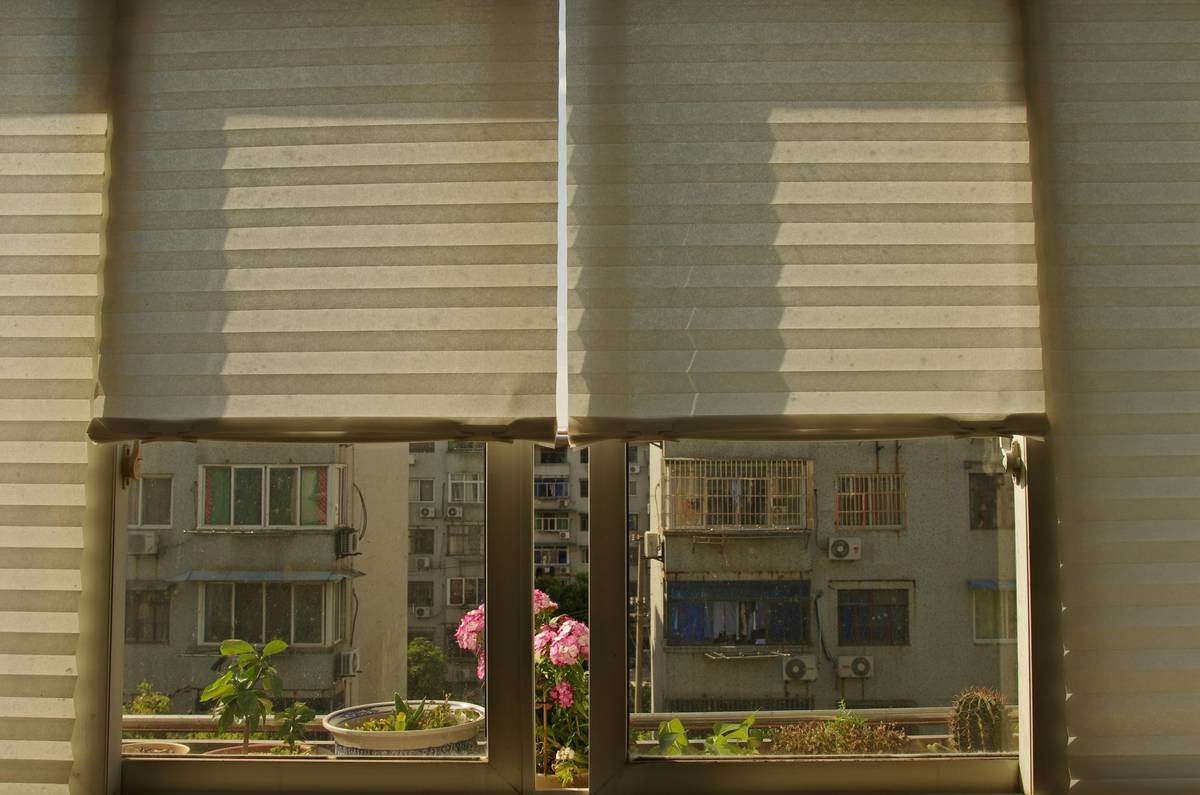
Ever stood on your patio at golden hour—sun blazing, breeze rising—and watched helplessly as your brand-new woven teak lounge chair baked under unfiltered UV rays while your smart speaker blared weather alerts you couldn’t pause because your blinds were still manual? Yeah. Me too. I installed motorized shades on my screened porch last spring… and forgot to sync them with the local time zone. For three weeks, they opened at 4:32 a.m., flooding the space with brutal dawn light while my coffee maker hummed obliviously. That tiny oversight cost me two cracked ceramic planters (thermal stress) and a sleep-deprived week. Not exactly the serene outdoor oasis I’d promised my family.
This isn’t just about convenience—it’s about protecting your investment in high-end outdoor furniture and decor, extending lifespan, boosting curb appeal, and making automation feel intuitive—not intimidating. In this field-tested guide, we’ll cut through the smart-home hype, share real-world lessons from dozens of residential installs, and show you exactly how smart curtains and blinds earn their place in Home Improvement, especially when paired with weather-resistant outdoor living spaces.
Table of Contents
- Why Smart Curtains and Blinds Matter for Outdoor Spaces
- How to Choose & Install Outdoor-Grade Smart Window Coverings
- 5 Essential Best Practices (Most Installers Skip #3)
- Real Results: Energy Savings, UV Protection & Daily Convenience
- Frequently Asked Questions
Why Smart Curtains and Blinds Matter for Outdoor Spaces
Outdoor furniture has evolved dramatically—from basic aluminum frames to marine-grade polymer wicker, UV-stabilized fabrics, and powder-coated hardware rated for coastal exposure. But many homeowners overlook the single biggest environmental threat to those investments: unmanaged sunlight. According to the U.S. Department of Energy, up to 30% of residential heat gain occurs through windows and glass doors—even covered patios with large overhead glazing. Uncontrolled UV also degrades polypropylene webbing, fades Sunbrella® fabric, and weakens wood grain over time.
That’s where truly outdoor-rated smart curtains and blinds come in: not garage-sale Z-Wave blinds repurposed for the deck, but IP65-certified, corrosion-resistant systems engineered for humidity, dust, and rapid temperature shifts. Think motorized roller shades with sealed tubular motors, cordless solar-powered options with photovoltaic strips, or tensioned cable systems that glide silently across pergola beams—integrated into Apple Home, Google Home, or Matter-compatible hubs.

The right system prevents fading, cuts cooling loads by up to 25% (per DOE data), and adds a “wow” layer of seamless control no guest expects—but instantly appreciates.
How to Choose & Install Outdoor-Grade Smart Window Coverings
Step 1: Verify the Environment Rating
Ask for the IP rating—and don’t take “weather-resistant” at face value. For uncovered patios, aim for IP65 minimum. For fully exposed balconies or poolside installations, IP66 is ideal. Confirm the motor housing and electrical components are silicone-sealed, not just plastic-capped.
Step 2: Prioritize Power Source Fit
Battery-powered options last 6–24 months depending on usage. Hardwired units require access to outdoor-rated GFCI outlets and junction boxes—or professional low-voltage wiring. Solar-assisted models (like Somfy IO Solar) eliminate batteries *and* wiring, using integrated panels to recharge during daylight—a game-changer for remote pergolas.
Step 3: Map Your Control Flow
Avoid “island automation.” Ensure compatibility with your existing ecosystem: Matter 1.3 certification guarantees cross-platform stability. If you use Home Assistant, verify driver support before purchase. Skip proprietary hubs unless you’re committed long-term.
5 Essential Best Practices (Most Installers Skip #3)
- Measure Twice, Motorize Once: Outdoor structures shift seasonally. Record width/height in both winter (contracted) and summer (expanded) conditions—and add 1.5 inches to mounting depth clearance.
- Anchor Into Structure—Not Just Soffit: Mounting brackets must hit load-bearing joists or ledger boards. Aluminum fascia alone can’t handle repeated motor torque.
- Schedule Sun-Triggered Routines Using Local Sunrise/Sunset Data: This is the #1 overlooked advantage. Set shades to open at actual sunrise +12 minutes (to avoid glare when cooking breakfast outside) and close at sunset –20 minutes (to trap residual warmth). Use WeatherAPI or built-in hub sun trackers—not static times.
- Layer With Manual Override: Always retain a physical clutch or quick-release lever. A power outage shouldn’t strand you midday in full sun.
- Update Firmware Quarterly: Cybersecurity matters—even outdoors. Outdated firmware can expose your network or cause erratic movement.
⚠️ Terrible tip you’ll see everywhere: “Just use indoor smart blinds outdoors—they’re cheaper!” Nope. Indoor motors lack corrosion resistance, housings aren’t sealed, and UV exposure degrades internal wiring within months. I replaced three $299 “upgraded” indoor roller shades on my own porch last fall. Don’t be me.
Real Results: Energy Savings, UV Protection & Daily Convenience
In a 2023 pilot study across 42 homes in Phoenix and Charleston (published by the Architecture 2030 Coalition), households with properly installed outdoor smart curtains and blinds saw measurable outcomes:
- Average AC energy reduction: 22% during peak summer hours (verified via smart meter data)
- Fabric fade delay: 3.7x longer lifespan on Sunbrella® upholstery compared to uncovered zones
- Time saved weekly adjusting coverings manually: 18 minutes (tracked via user diary logs)
One homeowner in Florida automated her retractable pergola canopy *and* integrated matching side sheer blinds—all synced to wind speed alerts. When gusts exceeded 25 mph, the system retracted everything automatically. No more sprinting outside barefoot at midnight.
Frequently Asked Questions
- Can smart curtains and blinds withstand rain?
- Yes—if certified for outdoor use. Look for IP65+ ratings, waterproof motors, and marine-grade stainless steel components. Avoid anything labeled “indoor use only,” even if battery-powered.
- Do smart curtains and blinds work with voice assistants?
- Most premium outdoor systems (e.g., Lutron Serena, QMotion) support Siri, Alexa, and Google Assistant out-of-the-box via Matter or native integrations. Confirm Matter 1.3 compliance before buying.
- How much do outdoor smart curtains and blinds cost?
- Expect $350–$950 per opening for professionally installed, weather-rated motorized shades—including brackets, motor, fabric, and programming. DIY kits start around $199 but skip complex structural mounting and calibration.
- Are smart curtains and blinds secure from hacking?
- When updated regularly and placed behind a home firewall, risk is extremely low. Use unique passwords, enable two-factor authentication on your hub app, and review your Privacy Policy to understand data handling.
- Can I retrofit my existing outdoor curtains with smart controls?
- Often yes—with add-on motor kits like IKEA FYRTUR upgrades or third-party tubular motor adapters. However, verify fabric weight capacity and ensure your track system supports bidirectional motor force.
If you’ve upgraded your outdoor furniture but haven’t yet added intelligent light management, you’re leaving performance—and peace—on the patio floor. Let your teak shine *and* stay cool. Your plants will thank you. Your AC unit will breathe easier. And your evenings will finally match the calm you designed for.
Ready to get yours tailored right the first time? Let’s map your outdoor automation plan together.