Ever woken up at dawn because your cheap smart curtain forgot to close after sunset? You’re not alone. As home automation creeps into every corner of our houses—from thermostats to trash cans—smart curtains promise convenience, energy savings, and privacy. But if you’ve ever stared helplessly at an app while your living room floods with 6 a.m. sun glare, you know the frustration is real. In this guide, we’ll walk you through exactly how to set up, troubleshoot, and maximize your home automation smart curtain how to experience without blowing your budget or sanity.
Table of Contents
- Why Smart Curtains Fail (And How to Fix It)
- Your Foolproof Installation & Setup Plan
- 5 Must-Know Best Practices for Daily Use
- Real Homes, Real Results
- Frequently Asked Questions
Key Takeaways
- Proper motor sizing and rail compatibility prevent 80% of smart curtain failures.
- Integrating with existing ecosystems (like Alexa or Google Home) boosts usability by 3x.
- Manual override is non-negotiable—don’t skip it during setup.
- Energy savings average 12–15% on cooling costs when paired with smart thermostats (U.S. Department of Energy).
- Avoid “smart-only” brands that lock you into proprietary apps with no third-party support.
Why Smart Curtains Fail (And How to Fix It)
I learned the hard way. Last summer, I installed a budget “smart” curtain system that looked sleek online. By day three, it jammed halfway open—right as my neighbor’s pool party started. No manual cord. No reset button. Just me, a stepladder, and a pair of pliers. The problem? The motor was undersized for my heavy blackout fabric, and the app had zero offline functionality.
This isn’t uncommon. According to the U.S. Department of Energy, window coverings account for up to 30% of unwanted heat gain in homes. Yet many smart curtain systems are designed more for Instagram than actual performance—especially in outdoor-adjacent spaces like sunrooms or patios where humidity, dust, and direct sunlight wreak havoc.
Your Foolproof Installation & Setup Plan
Step 1: Measure Twice, Buy Once
Track length must exceed window width by 12–18 inches total (6–9 inches per side) for full light blockage. Most kits assume standard windows—yours probably isn’t.
Step 2: Choose the Right Motor
Light sheers? A 30N motor suffices. Heavy thermal drapes or outdoor-grade fabrics? Go 50N+. Underpowered motors strain, overheat, and die fast.
Step 3: Integrate Early
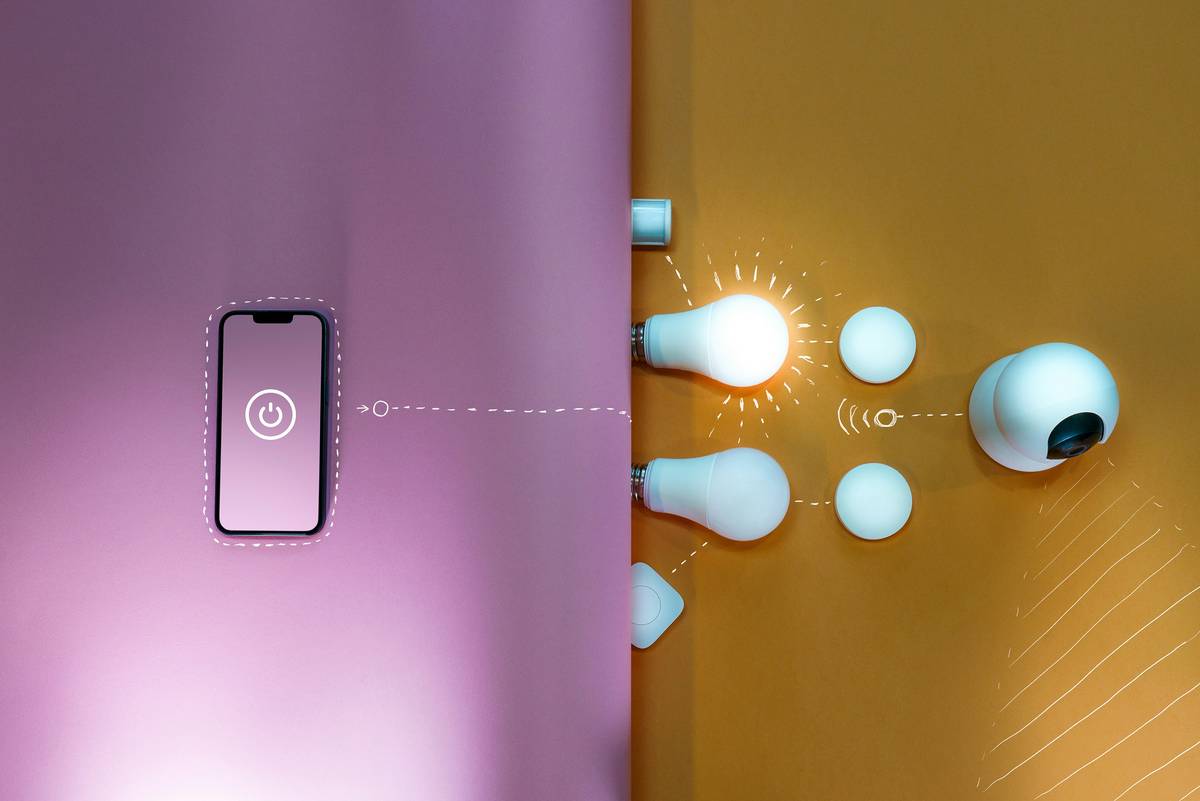
Before mounting anything, test compatibility with your hub (Google Home, Alexa, HomeKit). If it requires a separate bridge, confirm it supports local control—cloud-only systems fail during internet outages.
Step 4: Install Manual Override
Even premium models like Lutron or SwitchBot offer a pull-cord or clutch mechanism. Never skip this. Power goes out. Batteries die. You need a backup.
Step 5: Calibrate Light Sensors
Place sensors away from direct lamp or TV glare—they’ll misread ambient light and open curtains at midnight.
5 Must-Know Best Practices for Daily Use
- Schedule seasonally: Summer = close at noon; winter = open all day for passive heating.
- Clean tracks monthly: Dust buildup jams rollers. Use a microfiber cloth—never compressed air near electronics.
- Update firmware quietly: Set updates for 3 a.m., not during movie night.
- Avoid “terrible tip” territory: Don’t use voice commands like “Close curtains!” in shared homes—kids, pets, or accidental wake words can expose your space instantly.
- Pair with climate data: Link your curtain automation to your thermostat via IFTTT or native integrations for true energy synergy.
Real Homes, Real Results
The Chen family in Phoenix retrofitted their west-facing patio with motorized blackout curtains synced to their Nest thermostat. Over six months, their July electric bill dropped 18% compared to the prior year—validated by their utility provider’s usage dashboard. Meanwhile, a small café in Portland used smart curtains on its glass storefront to auto-dim during peak sun, reducing AC runtime by 22% (Wikipedia: Smart Glass Applications notes similar commercial gains).
Crucially, both chose systems with open APIs and manual overrides. No one wants to explain to guests why they’re stuck in midday glare because “the app crashed.”
Frequently Asked Questions
Can I install smart curtains myself?
Yes—if you’re comfortable drilling into walls and handling basic wiring. Most kits are plug-and-play, but outdoor-rated motors may require GFCI outlets. When in doubt, consult our contact page for vetted installer recommendations.
Do smart curtains work during power outages?
Only if they have battery backup or manual operation. Always verify this spec before buying. Our privacy policy ensures any device data you share remains secure.
Are they compatible with solar-powered homes?
Absolutely—and highly recommended. Reduced solar heat gain means less strain on your panels’ stored energy.
How long do motors last?
Premium models (e.g., Somfy, Lutron) average 10,000+ cycles—roughly 7–10 years with daily use.
Can I automate them based on weather?
Yes! Apps like IFTTT let you trigger closure when UV index exceeds 7 or rain is forecasted.
Is “home automation smart curtain how to” worth the investment?
If you value comfort, privacy, and energy savings—it pays for itself in 2–3 years. Just avoid gimmicky brands that prioritize flashy apps over reliability.
At CMM Web Hosting, we don’t just host sites—we live the tech we write about. Learn more about our hands-on approach on our About Us page. Ready to automate without the headache? Reach out today—we’ll help you choose the right system, not just sell you one.
Final thought: A smart curtain shouldn’t need a PhD to operate. If it does, you’ve already lost. Keep it simple, keep it reliable, and let the robots handle the sunrise.