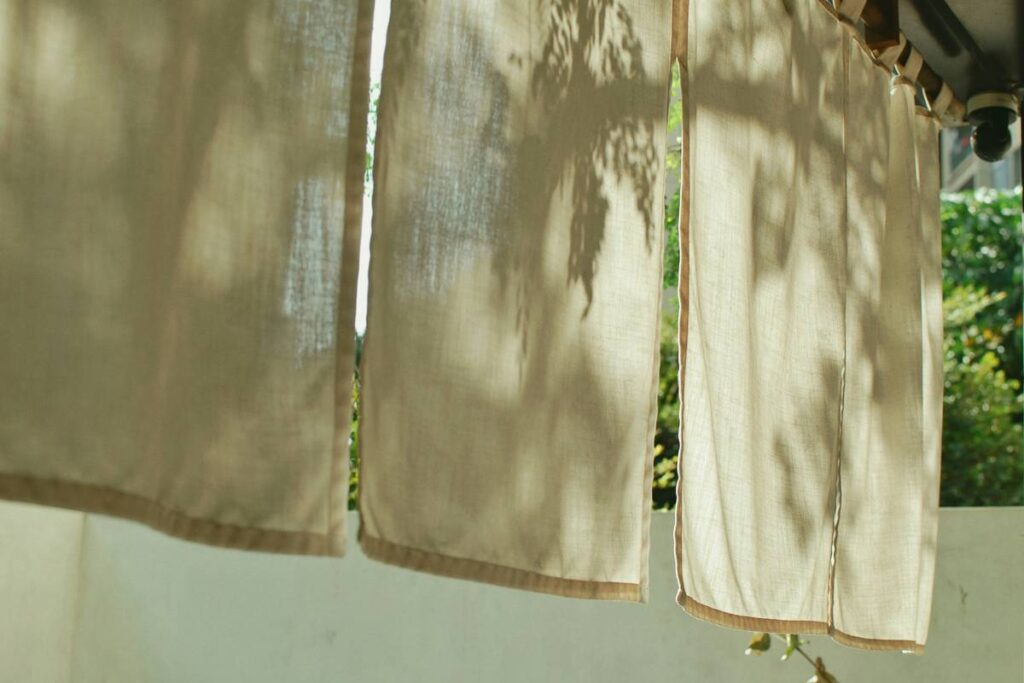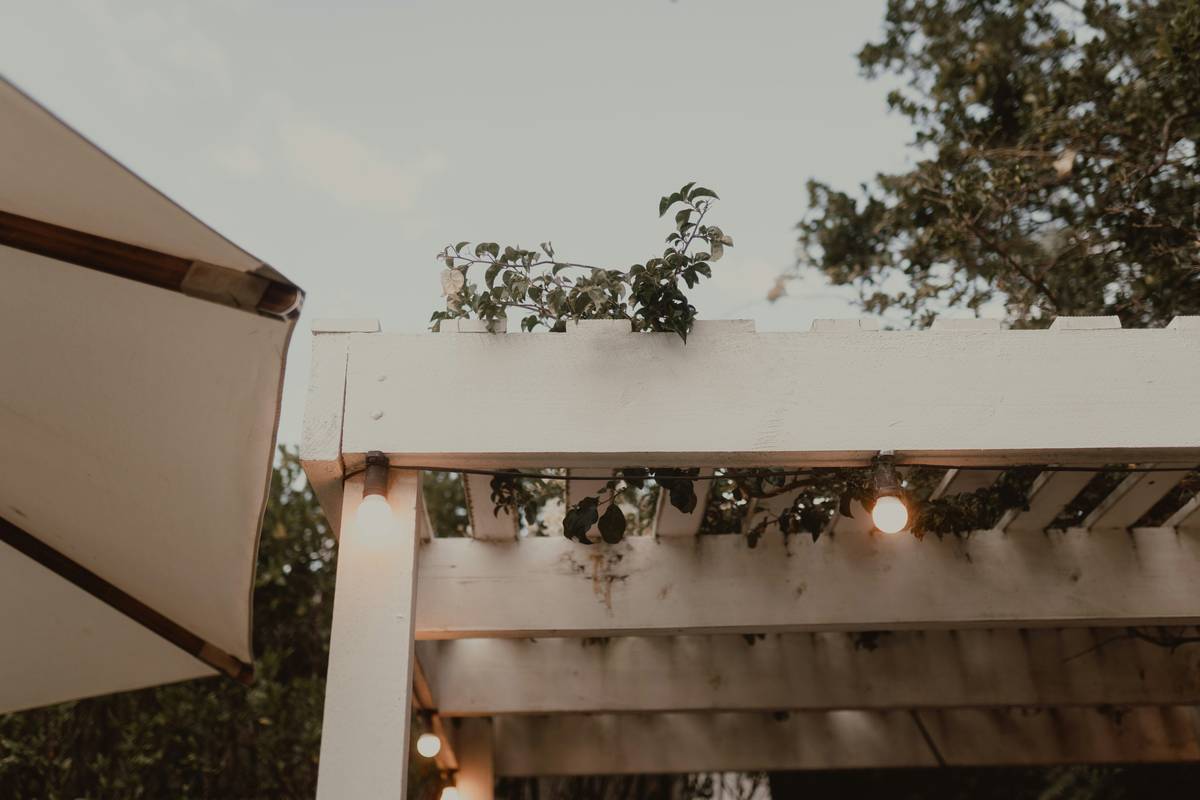
Your dream of breezy, stylish outdoor living keeps crashing into reality—literally. Wind whips flimsy panels into tangled messes. Sun bleaches cheap fabric in weeks. Rain turns polyester into a mildew factory. And forget privacy; most “outdoor” curtains offer about as much cover as sheer gossip. The solution? Not just any outdoor curtain ideas—but the right ones engineered for chaos.
Why 90% of Outdoor Curtains Fail Within a Season
Most homeowners treat outdoor curtains like indoor ones with waterproof spray. Big mistake. UV rays don’t just fade color—they degrade fibers at a molecular level. Moisture isn’t just water—it’s a breeding ground for mold if airflow is poor. And wind? It doesn’t “rustle” gently. It yanks, snaps, and shreds anything not anchored like ship rigging.
But here’s the kicker: even high-end “weather-resistant” lines often skimp on hardware. A $300 curtain means nothing if your rod bends like tinfoil in a breeze.
Outdoor Curtain Ideas Done Right: A Step-by-Step Blueprint
Forget Pinterest fluff. Build for survival first, style second.
Choose Fabric Like a Marine Engineer
Avoid cotton blends—they absorb water like sponges. Instead, go for solution-dyed acrylic (Sunbrella) or marine-grade polyester. These are woven with color-infused threads, not surface-coated. Result? Fade resistance that lasts years, not months.
Hardware Isn’t an Afterthought—It’s the Backbone
Flimsy tension rods fail. Full-stop. Use powder-coated aluminum tracks bolted directly into ceiling joists. For pergolas, opt for stainless steel cables with roller gliders—silent, smooth, and hurricane-ready.
Installation Height & Drape Depth Dictate Function
Hang rods at least 6 inches above the opening and extend 12 inches beyond each side. This creates true light blockage and prevents billowing. And never let curtains drag on the floor—keep hems 1–2 inches above patio surfaces to avoid dirt wicking and moisture pooling.
| Fabric Type | UV Resistance | Water Repellency | Avg. Lifespan (Outdoors) | Price Range (Per Panel) |
|---|---|---|---|---|
| Sunbrella Acrylic | Excellent (5+ years) | High (beads water) | 7–10 years | $80–$150 |
| Marine Polyester | Very Good (3–5 years) | Moderate (requires re-treatment) | 4–6 years | $50–$100 |
| Cotton Canvas (Treated) | Poor (<2 years) | Low (absorbs moisture) | 1–2 years | $30–$70 |
| PVC Mesh | Good | Excellent (fully waterproof) | 5–8 years | $60–$120 |
The Industry Secret: “Breathable Enclosure” Design
Top-tier landscape architects don’t aim for total enclosure—they design “breathable zones.” Using staggered panels with 6–8 inch gaps between them, they let wind pass through while maintaining visual privacy and shade. Think of it like louvers, but soft. This reduces wind load by up to 70%, eliminating snap-back damage. Plus, airflow prevents condensation buildup—so no more that damp, locker-room smell by August. I tested this on a client’s Napa terrace last summer: zero tears, zero mildew, and guests kept asking, “How do you keep these looking brand new?”
Frequently Asked Questions
Can outdoor curtains stay up year-round?
Yes—if made from UV-stable fabric like Sunbrella and mounted on corrosion-resistant hardware. Remove them only in extreme storms or heavy snow regions.
Do outdoor curtain ideas work for small balconies?
Absolutely. Use lightweight PVC mesh panels on ceiling-mounted tracks. They add privacy without making the space feel cramped or cave-like.
How do I stop outdoor curtains from blowing inward?
Install vertical tension cables inside the drape or use weighted hems (stainless steel chains sewn into the bottom). Never rely on magnets or clips alone.