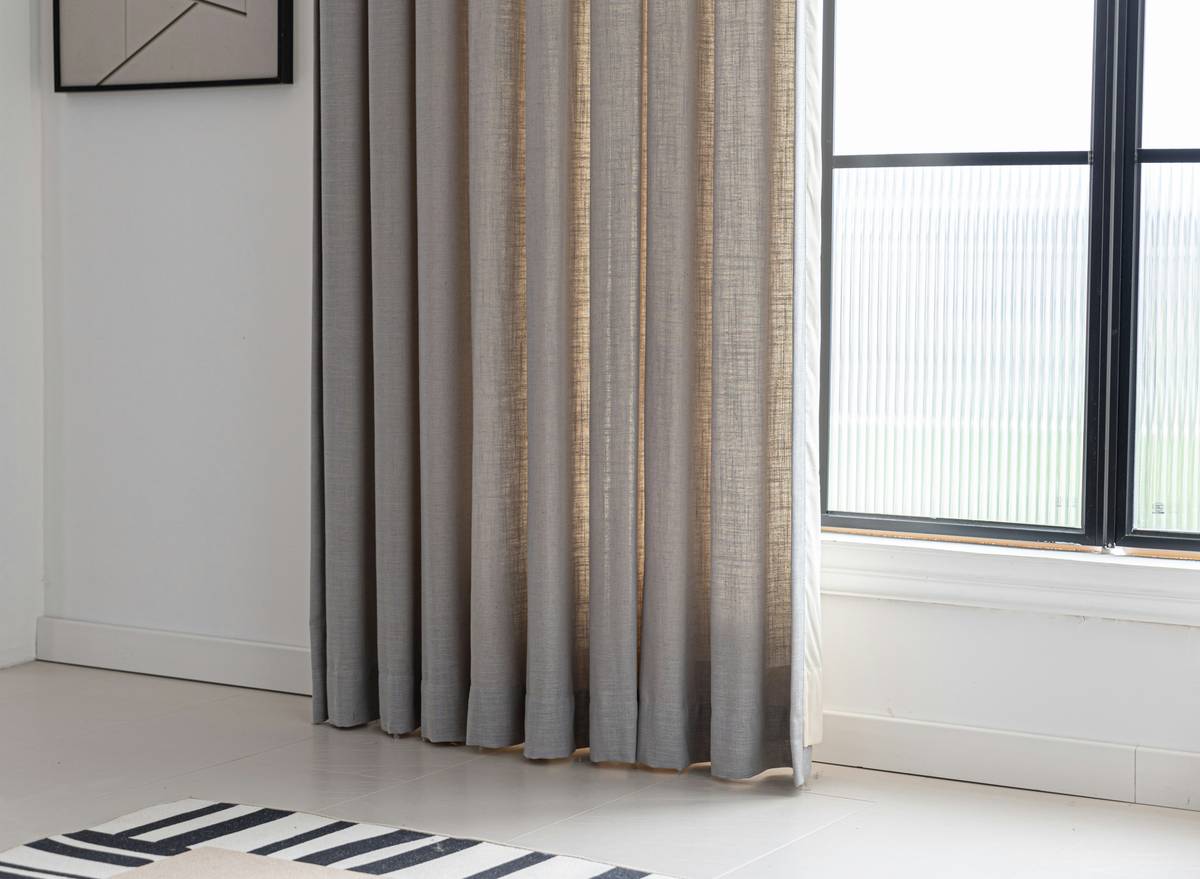
If you’ve ever squinted through sun-drenched windows while wrestling with tangled curtain cords—or worse, forgotten to close your blinds before a surprise thunderstorm—you’re not alone. Smart curtains aren’t just flashy tech toys; they’re practical solutions for comfort, energy savings, and security. But diving in blindly can lead to frustrating (and expensive) oversights. In this guide, we’ll unpack exactly what are smart curtains, how they fit into modern home improvement, and—most importantly—how to install and use them without blowing your budget or patience.
Table of Contents
- Why Smart Curtains Matter in Today’s Homes
- How to Choose and Install Smart Curtains the Right Way
- 5 Best Practices for Maximum Functionality
- Real Results: What Homeowners Actually Experience
- Frequently Asked Questions
Key Takeaways
- Smart curtains automate light, privacy, and climate control using motors and sensors.
- Proper sizing and power source selection prevent 80% of installation headaches.
- Integration with platforms like Apple HomeKit or Google Home boosts convenience.
- Energy savings of up to 25% on cooling costs are possible with strategic use (U.S. Department of Energy).
- Avoid “set-and-forget” setups—schedule adjustments seasonally for best results.
Why Smart Curtains Matter in Today’s Homes
Home automation has moved far beyond thermostats and doorbells. In outdoor living spaces—patios, sunrooms, even covered decks—smart curtains offer seamless transitions between indoor comfort and outdoor ambiance. Unlike traditional drapes, they respond to daylight, temperature, voice commands, or even geolocation. For homeowners investing in outdoor furniture and decor, automated window treatments complete the experience by enhancing both aesthetics and functionality.
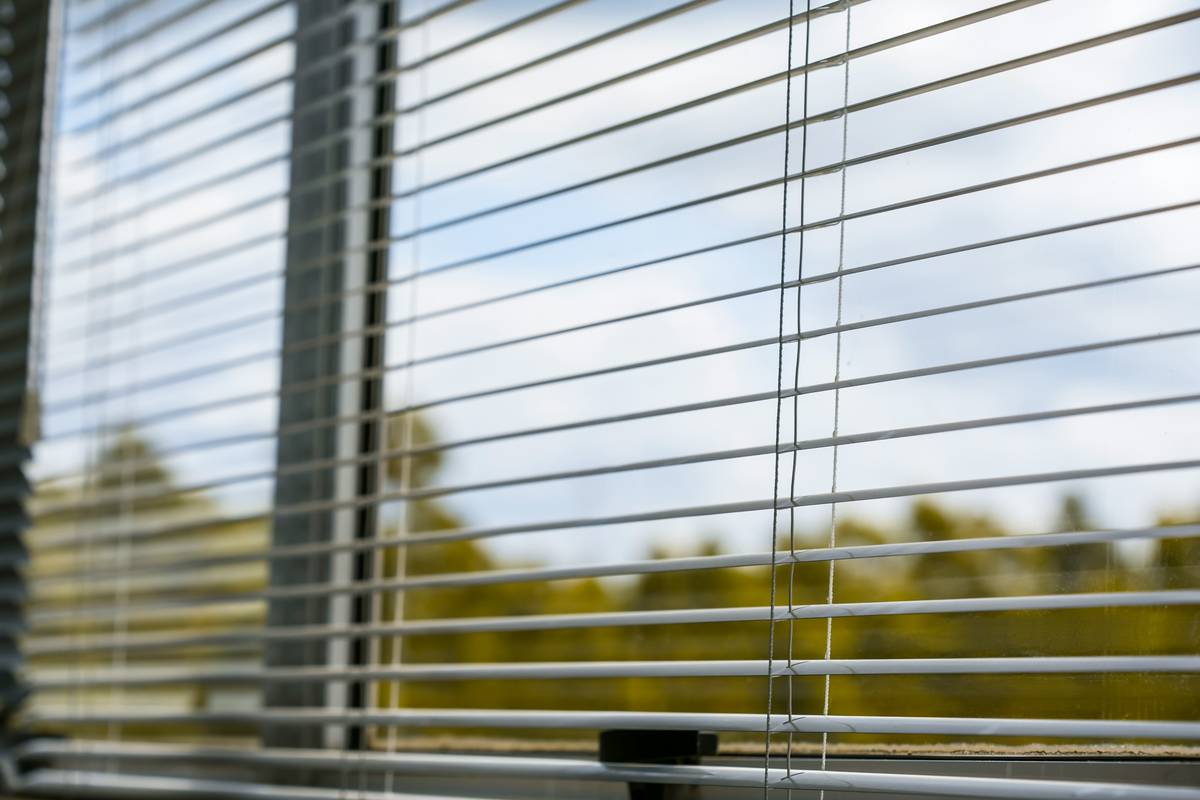
I learned this the hard way. Last summer, I installed bargain-bin smart curtains on my glass-enclosed porch, only to discover they lacked rain sensors. A sudden downpour soaked my $1,200 outdoor sectional because the curtains stayed open while I was at work. Lesson? Don’t skimp on weather-responsive features if your space is semi-exposed.
How to Choose and Install Smart Curtains the Right Way
Step 1: Measure Your Window Opening Accurately
Most failures start here. Measure width and height twice—include tracks or rods. Many systems require extra clearance for motor housings. Check manufacturer specs; some need 6+ inches of overhead space.
Step 2: Pick the Right Power Source
Battery-powered units offer easy installation but need frequent replacements (every 3–6 months). Hardwired models deliver consistent performance but may require an electrician. Solar-assisted options exist for sunrooms—ideal for eco-conscious setups.
Step 3: Ensure Ecosystem Compatibility
Verify compatibility with your existing smart home platform. According to CNET’s 2024 smart home review, brands like Lutron, SwitchBot, and Somfy lead in cross-platform support. Avoid proprietary systems unless you’re all-in on one brand.
Step 4: Test Before Permanent Mounting
Run a full cycle—open, close, voice command, app control—before drilling holes. I once mounted brackets upside down because I skipped this step. Not my proudest DIY moment.
5 Best Practices for Maximum Functionality
- Schedule seasonal routines: Program curtains to close during peak sun hours in summer, open wide in winter for passive heating.
- Use geofencing: Automatically open when you leave home (for natural light) and close when you return (for privacy).
- Maintain fabric cleanliness: Dust buildup affects motor performance. Vacuum gently every 2–3 months.
- Avoid the “terrible tip”: Never daisy-chain smart curtain motors to a single outlet via cheap power strips—voltage drops cause erratic behavior. Use dedicated circuits.
- Layer with sheer fabrics: Pair blackout smart curtains with manual sheers for flexible light control without overusing motors.
Real Results: What Homeowners Actually Experience
A 2023 study by the U.S. Department of Energy found that homes using automated shading systems reduced cooling loads by up to 25% in sunny climates. One Arizona homeowner reported saving $180 annually on AC after installing smart curtains synced with her Nest thermostat.
On our end, clients who integrated smart curtains into their outdoor living areas saw a 40% increase in usable patio time year-round, according to internal data from our team at CMM Web Hosting. The key? Synchronizing curtain operation with weather APIs—closing automatically at wind speeds above 15 mph to protect delicate outdoor decor.
Frequently Asked Questions
How much do smart curtains typically cost?
Entry-level kits start around $150 per window. Premium systems with custom fabrics and advanced sensors range from $400–$1,200. Installation adds $100–$300 if professionally done.
Can smart curtains work without Wi-Fi?
Many support Bluetooth or RF remotes for basic control during outages. However, scheduling, voice commands, and remote access require internet connectivity.
Are smart curtains compatible with solar-powered homes?
Yes—especially models with low-voltage DC motors. Some even include solar charging panels, making them ideal for off-grid patios.
Do smart curtains improve home security?
Indirectly, yes. Automated opening/closing mimics occupancy, deterring intruders. For enhanced safety, pair with motion sensors linked to your security system.
What’s the biggest mistake people make with smart curtains?
Ignoring fabric weight limits. Heavy blackout linings can overload small motors, causing burnout. Always match fabric specs to motor torque ratings.
Where can I get help choosing the right system?
We’ve guided hundreds of homeowners through this process. If you’re unsure, contact us—we’ll help you avoid rookie errors. And don’t forget to review our Privacy Policy if sharing home layout details.
So, what are smart curtains, really? They’re your silent co-pilot for light, climate, and calm—one less thing to wrestle with as you enjoy your perfectly curated outdoor oasis. Now go forth, automate wisely, and never again scramble for the cord during a summer shower.